
Home › Hallway Group
Hallway Group
The Mental Health Commission of Canada (MHCC) was established to help create an integrated mental health system to improve the lives of Canadians living with mental illness. It encourages collaboration among governments, service providers, employers, and researchers, as well as Canadians living with mental illness, their caregivers and families.
The Hallway Group was created in 2009 as part of the Opening Minds Anti-Stigma program with the goal to make a difference in the lives of people living with mental illness or mental health issues. Rather than laying on programs from the top down, this group had the knowledge, experience, and leadership from the grassroots or community level to provide feedback on tackling stigma in communities.
The name of the Hallway Group is important to the foundation of this group. It details the fact that in many groups and communities, the most important conversations take place away from the table, in the halls. The focus of this group is to ensure that those important hallway conversations make their way to the table.
The Hallway Group is a group of individuals, all of whom are people with lived experience (PWLE) with a mental illness either personally or through a loved one. Their role is to provide expert advice on specific initiatives, projects, and key priority areas through the much needed critical lens of PWLE.
Hallway Group Members

Anita David
Anita David
- Co-Chair
Since 2021, Anita has served as Co‑Chair of the Mental Health Commission of Canada’s Hallway Group. A lived experience leader, her personal journey has shaped a career in advocacy, education, engagement, and research. She brings insight, compassion, and strategic leadership to her work with communities, universities, and health authorities.
Anita juggles multiple roles—including Community‑Based Research Associate, Patient Partner, Facilitator—and serves as a Lived Experience Strategic Advisor with BC Mental Health and Substance Use Services, where she focuses on equity, inclusion, and the meaningful engagement of people with lived and living experience. She also co‑leads an ICU Survivor and Caregiver Photovoice study at the University of British Columbia exploring recovery experiences at home after critical illness.
In 2024, she became the Canadian representative to the Global Leadership Exchange’s inaugural Lived Experience Council. In 2025, she received the King Charles III Coronation Medal for her leadership in advocacy, education, and research, and for strengthening networks that connect patients, families, and health organizations.
In her limited spare time, Anita uses her public speaking skills as an ambassador for Dress for Success Vancouver. She also finds balance through yoga and meditation, nurtures her creativity through writing and theatre, and devotes considerable energy vying for the elusive affection of her cat, “Caaaaaat.”
Chris Summerville
Chris Summerville
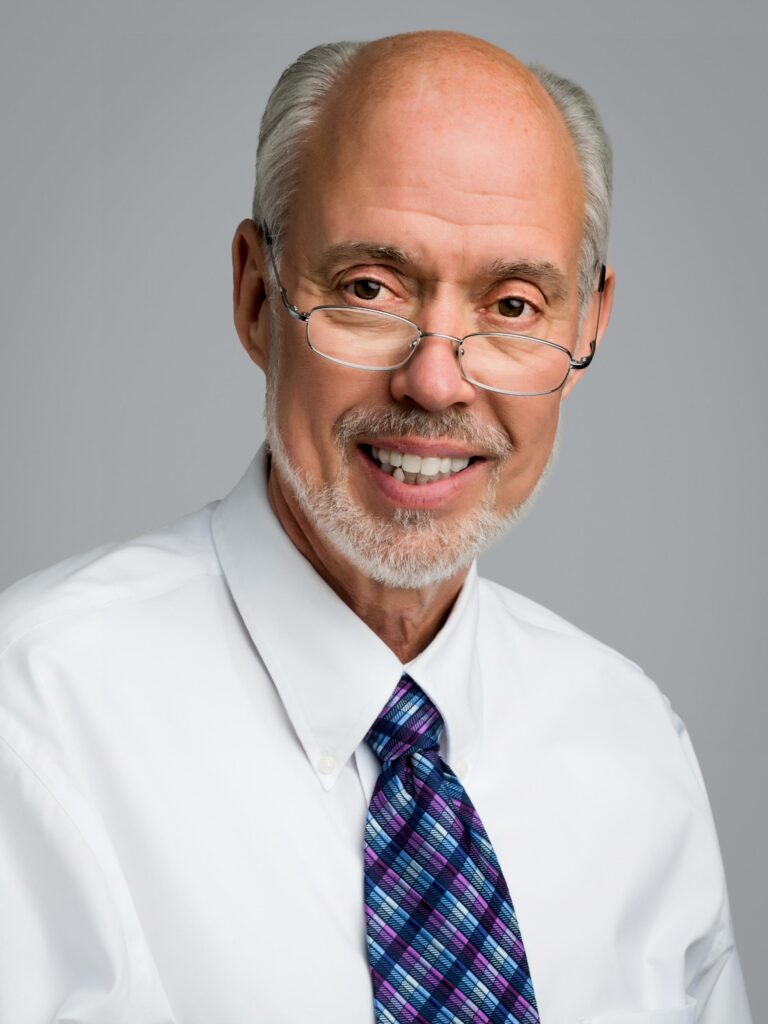
Chris has been the CEO of the Schizophrenia Society of Canada since 2007. For 25 years he led the Manitoba Schizophrenia Society as it’s CEO. He has served on numerous local, regional, provincial and national boards including the Mood Disorders Society of Canada, The National Network for Mental Health, Psychosocial Rehabilitation Canada, and the South Eastman Regional Health Authority (Manitoba). He has also served as Co-Chair of the Canadian Alliance on Mental Illness and Mental Health.
With an earned doctorate from Dallas Theological Seminary, he is a Certified Psychosocial Rehabilitation Recovery Practitioner (CPRRP). He received an honorary Doctor of Laws from Brandon University in 2014.
As a family member (father and brother with Bi-Polar Disorder, a brother with schizophrenia, siblings living with depression, and two suicides in his family) and a recipient of mental health services himself, Chris believes our society and leaders must see mental illness, not merely as a health issue, but as a social justice issue that addresses the inequities, inequalities and injustices towards those living with mental illness (and their families), who have been ghettoized, stigmatized, marginalized, and disenfranchised through systemic discrimination. Consequently, Chris is a passionate supporter and promoter of the recovery philosophy, peer support workers, the social inclusion of people living with mental illness, and the need to address the social determinants of health, mental health promotion and prevention.

Al Raimundo
Al Raimundo
Al Raimundo is a digital health leader, storyteller, and mental health advocate who has spent more than a decade transforming lived experience into meaningful systems change. Working at the intersection of healthcare, technology, mental health, and community engagement, they are recognized for combining strategic innovation with authentic storytelling to create more accessible, compassionate, and human-centred systems of care.
Al has built and supported digital tools, virtual care platforms, and technology initiatives that help youth, families, providers, and communities navigate care more effectively. Their work spans mental health, substance use health, accessibility, AI governance, digital operations, and health systems transformation, with a particular focus on equity, trauma-informed design, and meaningful engagement. Known for bridging the gap between technology and people, Al translates complex systems into practical solutions that improve experiences for both providers and the individuals they support. Al has spent the last 8 years working for Foundry, building The Foundry BC platform, a tool to streamline and support appointment bookings and communication with clients. Throughout their career, Al has collaborated with leading organizations including CAMH, the Mental Health Commission of Canada (MHCC), 988, Kids Help Phone and many more.
An experienced public speaker and advocate, Al has spoken on hundreds of stages ranging from TEDx talks and global youth summits to policy forums, conferences, trainings, and community events — including headlining World Youth Day at the United Nations in 2014. They speak extensively on mental health, youth engagement, healthcare innovation, accessibility, lived experience leadership, and the role of technology in supporting wellbeing. Whether speaking to government leaders, clinicians, community organizations, or directly to youth, Al brings a candid, compassionate, and deeply relatable perspective rooted in lived experience and a belief in collective change.
Al’s advocacy and leadership have been featured in numerous national and international media outlets including Vanity Fair, The Globe and Mail, CBC, Huffington Post, India Times, and Clarín (Argentina), among others. Their voice and storytelling have resonated far beyond Canada, helping reshape conversations around mental health, resilience, and systems transformation on a global scale.
Passionate about inclusion, accessibility, and relationship-centred leadership, Al brings empathy, creativity, and strategic thinking to every project they support. Throughout their career, they have worked closely with multidisciplinary teams, healthcare organizations, community partners, and youth-serving initiatives across Ontario, British Columbia, Canada, and internationally. Their work continues to inspire action, foster connection, and create brave spaces for healing, innovation, and transformation around the world. They live in British Columbia going on many adventures with their Partner and love making latte art, playing video games and sharing memes.

Allison Dunning
Allison Dunning
Allison (she/her) draws on her lived and living experience of mental health challenges to offer leadership to the peer support sector across Canada. With a focus on building effective, values-aligned peer support initiatives, Allison’s work includes the implementation and evaluation of peer support programs across the country, and spans a range of settings, including hospitals, community organizations, post-secondary institutions, and workplaces.
She currently serves as the Executive Director of Peer Support Canada, where she continues her leadership at the national level, using her experiences to inform her work. She also recognizes her privileges as a white, cisgender settler and is personally and professionally committed to advancing equity-based outcomes. In her spare time, Allison enjoys canoeing, camping, and spending time with her dog, Bella.
Don Mahleka
Don Mahleka
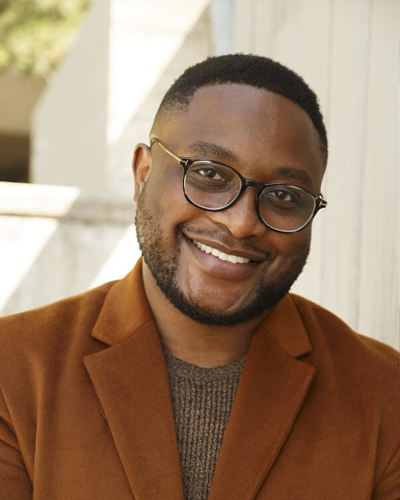
Don Mahleka, he/him, is a senior equity, mental health, and systems-change practitioner with experience in organizational transformation, structural stigma, anti-racism, psychological safety, community engagement, and health equity. He has served as a senior consultant and Senior Equity, Diversity, and Inclusion Advisor, supporting organizations to translate lived experience, community knowledge, and evidence into practical changes in policy, programs, training, and workplace culture.
Born and raised in Zimbabwe, Don moved to Canada as a refugee during high school. His lived experience navigating structural barriers, including barriers to mental health support, informs his commitment to building systems that are more humane, accountable, and responsive to equity-deserving communities.
Don’s background includes mental health crisis intervention, counselling, peer support, community-based research, program development, policy development, facilitation, and change management. He has contributed to national standards for workplace and post-secondary mental health and wellness and is currently co-developing an online training module on structural stigma.
Dr. Austin Mardon
Dr. Austin Mardon
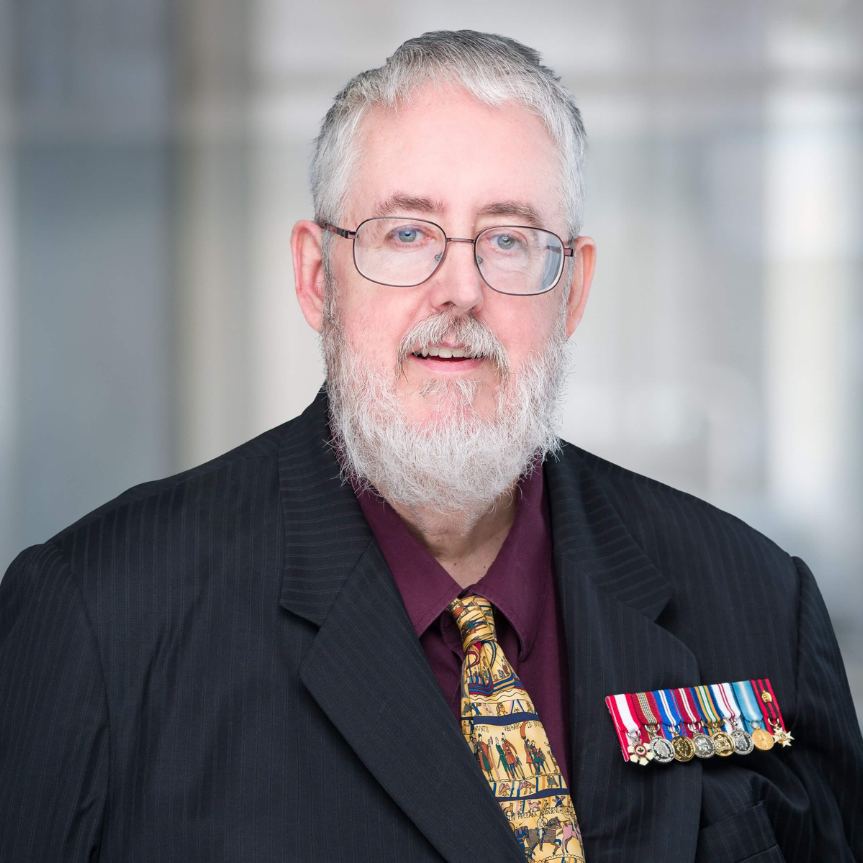
Austin Mardon is a mental health advocate who has lived with schizophrenia in his family since the age of five, and personally since he was 30 years old. He served in the Canadian Forces Artillery Reserves and was a field member on a NASA meteorite expedition at the South Pole before he became ill.
Equally impressive has been his work on behalf of the mentally ill. In addition to giving countless speeches and interviews to the media on the topic of mental illness, Austin has published articles about faith and schizophrenia, homelessness, medication, and income support.
Austin is a Member of the Order of Canada, and a Knight Commander of the Order of St. Sylvester, a Papal Knighthood. He has served on numerous boards, has volunteered with several mental health agencies, and was a founding member for Prosper Place Clubhouse in Edmonton, Alberta. He has authored over 100 books and several hundred articles. Austin received the Medal of Honour from the Canadian Medical Association. He is an Honorary Fellow of the Royal Society of Canada and He also served as a public member on the Alberta College of Social Workers, Licensed Professional Nurses, and the Premier’s Council on the Status of Persons with Disabilities.
Most recently he has been elected to the Royal Society of New Zealand, Bangladesh Academy of Sciences, India National Science Academy, Zimbabwe Academy of Sciences and several other international academies. He has also been awarded the DEI Medal from NASA. He was awarded the Sir Arthur Clarke International Lifetime Achievement Award by the British Interplanetary Society.
Dr. Cheryl Pollard
Dr. Cheryl Pollard
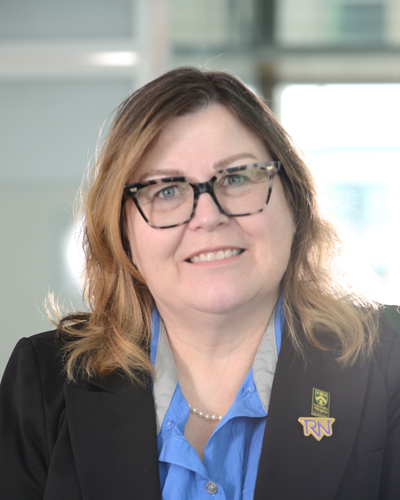
Dr. Cheryl Pollard is a professor in the Faculty of Nursing. Her work centers on promoting mental health and well-being, especially for individuals living with mental illness and their caregivers. Dr. Pollard’s research also explores the power of compassionate relationships within learning environments and their impact on education. She was inducted as a Fellow of the National League for Nursing’s Academy of Nursing Education in recognition of her enduring contributions to nursing education. Born and raised on the prairies by a Métis father and non-Indigenous mother, she embraces a deep responsibility to connect and contribute. She is guided by the enduring belief that: “Everyone has something to contribute, and everyone contributes.”
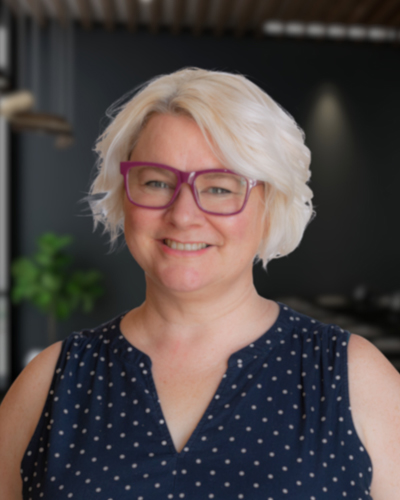
Shaleen Jones
Shaleen Jones
Shaleen has been a mental health advocate, organizer, supporter, and all-round rabble rouser for over twenty-five years, holding leadership positions with community organization such as the BC Eating Disorders Association, Laing House, Peer Support Canada, and CMHA National. She is the founder and Executive Director of Eating Disorders Nova Scotia, and the founder of Body Peace Canada.
Having overcome an eating disorder, she is passionate about recovery, the transformative power of Peer Support, and creating sustainable, systematic changes across the sector. Shaleen was one of the first people trained to provide Peer Support for those with eating disorders in Canada and earned her Peer Support Certification from Peer Support Canada in 2015.
Shaleen has been recognized for her work with an Inspiring Lives Award from the Mental Health Foundation of Nova Scotia, the Invisible Champion Award from the Bhayana Family Foundation, the Association of Psychologists of NS Community Award in Mental Health, and the YMCA’s PEACE award. She served on the Mental Health Advisory Council to the Federal Minister of Health and is a member of the Mental Health Commission of Canada’s Hallway Group and the Quality Mental Health Care Collaborative.
She is a terrible but enthusiastic knitter and devotes time every summer to picking huckleberries to make jam.
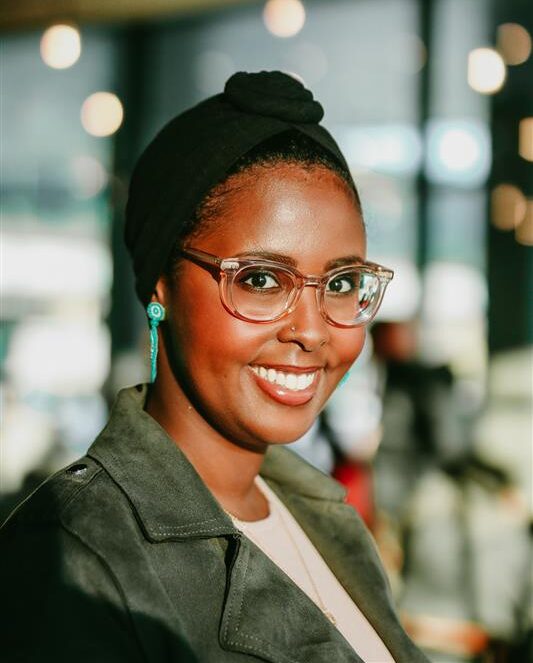
Ubah Mohamoud
Ubah Mohamoud
Ubah (she/her) is a Canadian certified counsellor with a master’s degree in spiritually integrative psychotherapy from St. Stephen’s College at the University of Alberta in ᐊᒥᐢᑿᒌᐚᐢᑲᐦᐃᑲᐣ, Amiskwacîwâskahikan (Beaver Hills House, colonially known as Edmonton). In addition to her clinical work, she provides safe(r) spaces for professional training, consultation, healing/sharing circles, and presentations, which are designed to raise mental health literacy, engagement, and awareness at the community level.
Ubah joins the Hallway Group after serving on our Youth Council as an advocate and adviser to stakeholders and policy makers on youth-related mental health concerns, particularly as they relate to diverse populations. Her current work continues to address mental health awareness, advocacy, and literacy with a focus on immigrant, refugee, ethnocultural, racialized, and newcomer populations as well as second and third generation Canadians.